

Buying new construction in Fulshear requires the same diligence as a resale purchase plus careful review of the builder contract, incentives, inspections, warranty, completion timeline, MUD taxes and future development. The builder’s sales representative represents the builder—not the buyer.
Understand who represents whom
The onsite sales team works for the builder. Buyer representation can help compare communities, document options and coordinate inspections, but legal questions belong with a qualified attorney.
Read the builder contract and timeline
Builder contracts often differ from standard resale forms. Review deposits, financing conditions, change orders, completion estimates, delay provisions and walk-through procedures before signing.
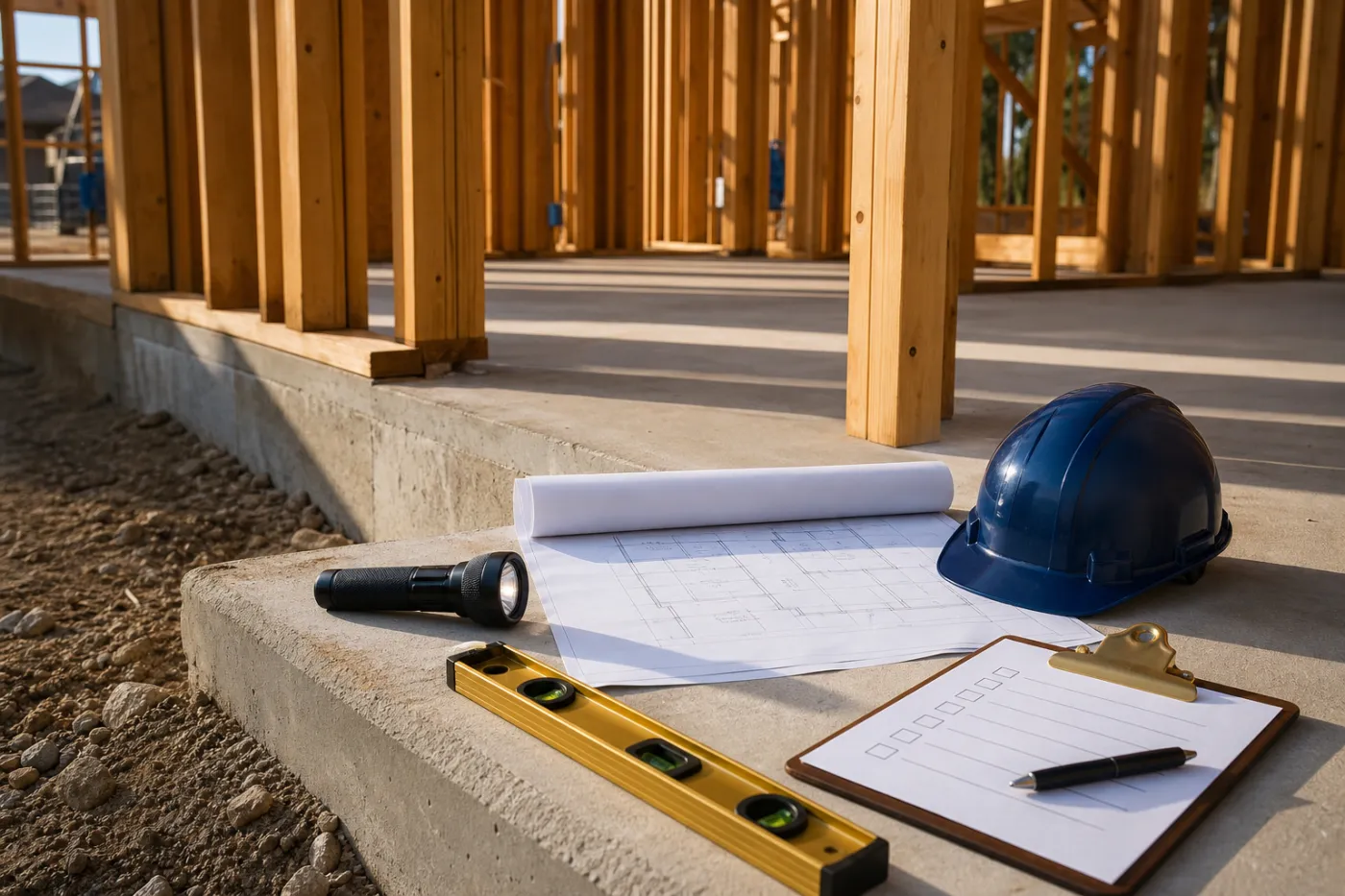
Use independent inspections
When allowed, phase inspections can cover pre-drywall, final completion and the warranty period. New does not mean defect-free.
- Confirm inspector access with the builder
- Document incomplete work in writing
- Recheck repairs before closing
- Schedule a warranty review before coverage expires
Compare incentives with the effective price
A rate buydown or closing-cost credit may be useful, but compare lender terms, base price, lot premium, upgrades and resale alternatives. Ask what happens if you use an outside lender.
Plan for taxes and nearby growth
Model the completed home’s likely taxable value, identify MUD obligations and review planned roads, schools, commercial areas and future phases near the lot.
How do you compare Fulshear builders and communities?
Compare the full transaction rather than a model-home impression. Record base price, lot premium, structural options, design selections, included appliances, landscaping, financing incentives, estimated taxes, HOA dues and the completion window. Ask which items shown in the model are upgrades and which are standard in the specific plan.
Tour a completed home by the same builder when possible and look at earlier phases of the community. Resale activity, warranty experiences, landscaping maturity and construction traffic provide context that a sales center cannot. The lowest advertised price may not produce the strongest effective value after required selections and financing restrictions.
- Base price and lot premium
- Structural and design options
- Preferred-lender restrictions
- Completed-home tax estimate
- Community phase and nearby construction
What should independent inspections cover?
Inspection opportunities depend on the contract and construction schedule. When access is allowed, a pre-drywall inspection can document framing, mechanical routing and visible installation details before walls close. A final inspection evaluates the substantially completed home, and an additional review before warranty expiration can identify issues that appeared after occupancy.
Use an inspector experienced with new construction and communicate access requirements early. Keep one written list of findings, builder responses and completion evidence. Recheck agreed repairs rather than assuming a marked-complete item was corrected. Cosmetic walkthroughs and independent inspections serve different purposes; buyers usually need both.
- Confirm inspection rights before signing
- Schedule around construction milestones
- Photograph concealed systems when permitted
- Track repairs in writing
- Reinspect before closing or warranty expiration
Which builder-contract assumptions cause problems?
Builder forms can allocate deposits, delays, financing, appraisal risk, change orders and completion differently from a standard resale transaction. Verbal statements from a sales conversation may not modify the written agreement. Read deadlines, refund conditions, lender requirements and walk-through procedures before committing money.
New-home tax illustrations can be based on land or incomplete construction. Model the finished home and every applicable taxing unit. Also review future phases, roads, commercial tracts and drainage plans around the lot. A quiet edge lot today may face construction or a different use later.
- Do not rely on verbal promises
- Understand deposit refund rules
- Model finished-home taxes
- Review the recorded plat and adjacent uses
- Budget for post-closing items
Frequently asked questions
Do I need an agent for Fulshear new construction?
You can buy without one, but buyer representation can help compare builder terms, incentives, communities and inspections. Register your agent on the first visit if the builder requires it.
Should a new home be inspected?
Yes. Independent inspections can identify construction issues before closing and during the warranty period.
Why can new-home taxes look low at first?
Early records may reflect land or incomplete construction rather than the finished home’s full value.
Are builder incentives always the best deal?
Not automatically. Compare the effective price, financing terms, upgrades and restrictions with other lenders and resale homes.
When should I bring an agent to a Fulshear builder?
Bring or register your agent on the first visit if the builder requires first-visit registration. The onsite representative works for the builder.
What costs are often missing from a new-home base price?
Lot premiums, structural options, design selections, appliances, window coverings, landscaping, financing differences and completed-home taxes can all change the effective cost.
Official sources and further reading
Use these primary sources to verify current, address-specific information.
Put the guide in local context
Use these community guides to narrow the search, then verify the exact property’s records.
Get guidance for your specific move.
Online research is a useful starting point. The home, neighborhood and timing still need to work together. Text John with what you are considering and get a practical next step.
Text John